
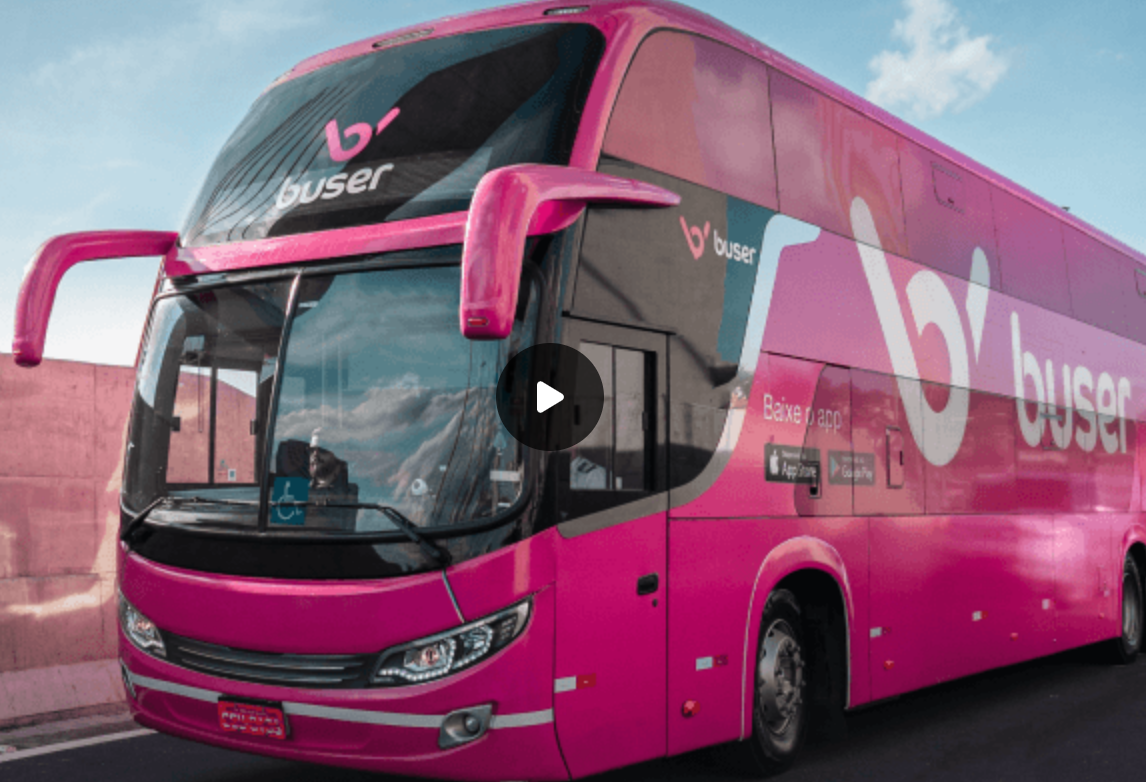
Buser is a tech‑enabled transportation platform focused on making intercity bus travel more affordable, efficient, and accessible for millions of passengers in Brazil. By connecting travelers with chartered bus operators and using data‑driven booking and pricing systems, Buser has modernized an industry traditionally dominated by established carriers and fragmented regional operators.
Founded in 2017 and headquartered in São Paulo, Buser has quickly grown into one of Brazil’s most significant players in road mobility, leveraging technology to offer lower‑cost alternatives to conventional bus tickets while driving higher occupancy and operational efficiency.
How Buser Works: Collaborative Chartering and Booking
At the heart of Buser’s service model is collaborative chartering. Instead of owning and operating its own fleet, Buser partners with charter bus companies, family‑run operators, and regional transportation providers, bringing them into a digital marketplace where supply and demand are matched using smart pricing and route planning.
The company’s platform — accessible via mobile app and web — lets passengers search routes, compare prices, and book seats just like with traditional bus tickets. However, by optimizing routes and pooling groups of travelers headed in the same direction, Buser can significantly lower travel costs compared with many legacy bus providers.
Growth and Market Impact

Since its launch, Buser has expanded rapidly across Brazil, serving millions of travelers and operating in hundreds of cities. The company reports transporting millions of passengers annually and continues to grow its presence by launching new routes and increasing travel frequency.
The competitive pricing strategy has encouraged passengers to switch from air travel and expensive bus tickets to Buser’s more affordable options, especially on longer routes or during peak travel seasons.
Technology and Digital Innovation
Buser’s success is driven by its technology platform, which uses machine learning and digital tools to plan networks, optimize departure times, and dynamically price tickets based on real‑time demand. This approach increases seat occupancy — often higher than traditional bus operators — making trips both more efficient and more economical.
The platform’s convenience extends to digital booking, mobile ticketing, and customer support, all designed to provide a modern travel experience that contrasts with some of the older, more manual systems still used in many parts of the bus transportation market.
Funding and Growth Strategy
The startup has attracted significant investment from major venture capital firms and technology investors. Backers include SoftBank, LGT Lightstone, Valor Capital, Globo Ventures, and Monashees, among others, helping fuel Buser’s expansion and technological innovation.
In 2025, Buser reported surpassing major financial milestones — including its first profit and more than US$100 M in annual revenue — and is now exploring mergers and acquisitions to accelerate growth and consolidate fragmented regional transportation markets.
Competitive Landscape and Future Prospects
While Buser has established a strong position in Brazil, the broader transportation industry is seeing increased interest from international players exploring similar models. Buser’s emphasis on technology and competitive pricing makes it a potential leader in digital mobility, particularly as demand for flexible, cost‑effective travel solutions continues to rise.
The company’s plans include further route expansion, improved network planning using AI, and enhanced customer experiences. By continuing to refine its platform and partnerships, Buser aims to grow both domestically and, potentially, into wider Latin American markets.
Why Buser Matters in Modern Transportation
Buser represents a shift toward technology‑driven mobility solutions that benefit both travelers and bus operators. By leveraging collaborative chartering and a smart marketplace model, the company has helped lower travel barriers for millions of people and supported partner operators with improved resource utilization and revenue opportunities.
As digital platforms increasingly reshape how people book and manage travel, Buser stands out as an example of how innovation can modernize traditional transport industries while improving affordability and accessibility across diverse regions.